What to Wear When the Weather Changes Throughout the Day in Pakistan
A wardrobe that works at 9 a.m. may feel entirely wrong at 3 p.m. On a changeable day, a cool commute can become a warm afternoon, and a comfortable evening outfit may feel too heavy indoors. In Pakistan, the challenge is different depending on whether you live in Karachi, Lahore, Islamabad or somewhere colder. There is no single national autumn uniform. A useful approach is to dress for the day you will actually have, rather than the season printed on the calendar.
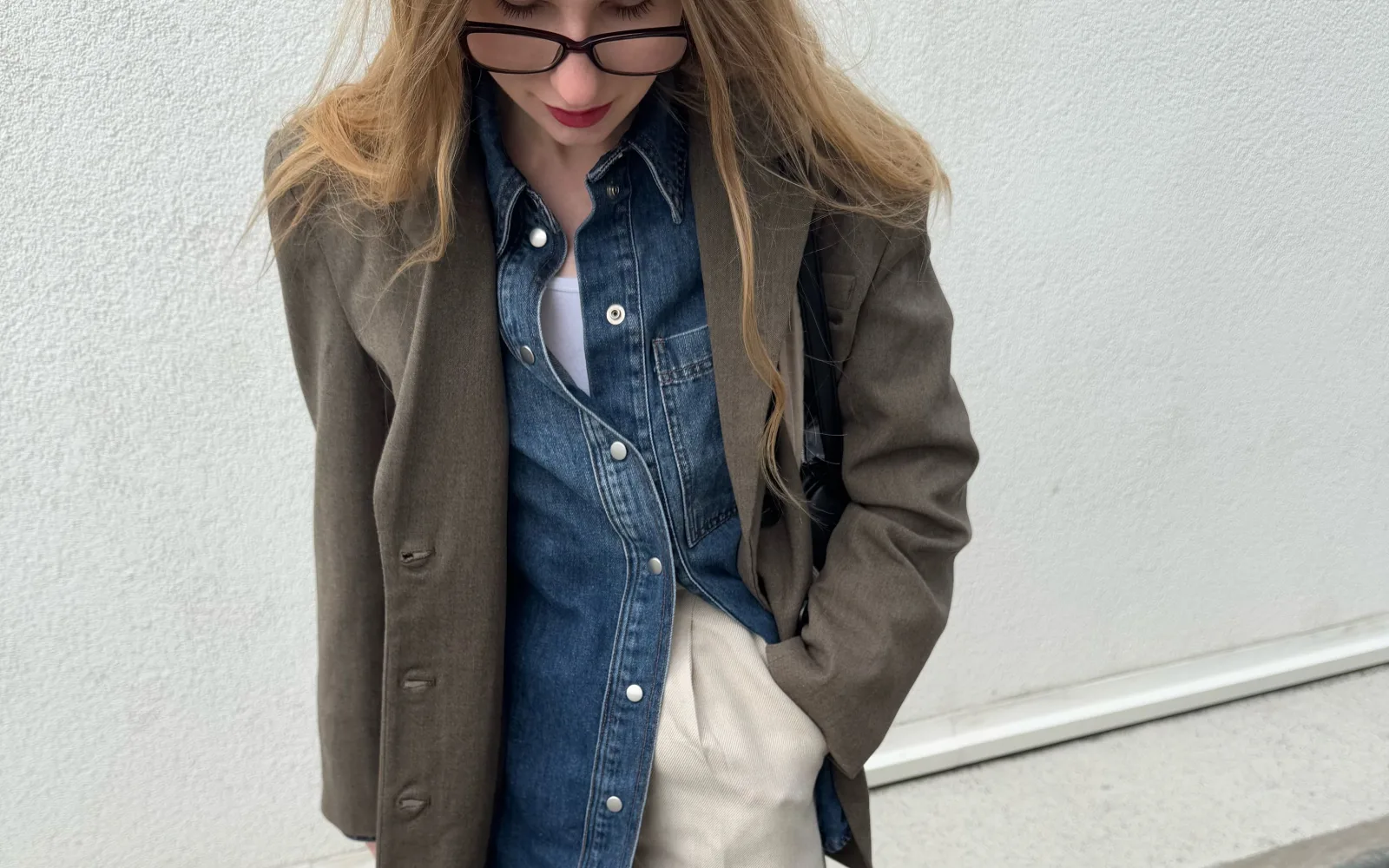
Start with your schedule, not a winter shopping list
Before choosing clothes, ask three things: when will you be outside, how much will you move, and will you spend hours in air-conditioned rooms? A student travelling early, sitting in lectures and returning after sunset needs more flexibility than someone working indoors all day. Checking a local forecast, including the expected low, high and wind, takes more guesswork out of the decision.
Your aim is not to wear as many layers as possible. It is to have one comfortable outfit that you can adjust without carrying an entirely different set of clothes.
Build a simple three-part outfit
First, choose a base you would happily wear on its own. A comfortable T-shirt, long-sleeved top or other everyday essential should suit the warmest part of your day. Consider how the fabric feels against your skin, whether it fits comfortably when seated and whether it allows you to move freely.
Second, make the outer layer removable. A lightweight overshirt, open-front layer or jacket can make the morning commute easier without forcing you to stay covered up as the day warms. Choose an item that does not pull tightly over the shoulders or sleeves of the base garment.
Third, keep the lower half practical. Trousers that permit easy movement, sensible footwear and a bag that can accommodate an extra layer often matter more than adding another fashionable piece.
A useful wardrobe does not require a particular price point or a brand-new purchase. Start by testing combinations from what you already own.
Consider the city, and the hour
In Karachi, a relatively warm afternoon can make thick layers inconvenient during the transition into winter. Light, removable layers can work better for many ordinary days. In Lahore, mornings and evenings may call for more coverage as the cooler season progresses; fog and outdoor conditions can also affect commuting. In Islamabad, conditions can feel considerably cooler, particularly on early starts and evening returns. Northern and elevated areas need their own forecasts and can demand substantially warmer clothing.
These are broad seasonal considerations, not today’s forecast. Weather changes from week to week. Check local conditions before making a decision, especially if you are travelling between cities.
Four outfit formulas you can adapt
1. University or college: Try a breathable-feeling everyday top, comfortable trousers and a removable overshirt. If you spend time moving between classrooms and outdoors, choose a layer you can carry without difficulty. Avoid assuming that a heavy hoodie is necessary just because the calendar says November.
2. Office and commute: Choose a neat base layer with comfortable sleeve and shoulder room, then add a presentable outer layer that works both open and closed. If your workplace uses air conditioning, focus on an adjustable outfit rather than permanently dressing for the coldest indoor setting.
3. Shopping, errands and casual outings: Comfort often comes from practical fit rather than from a particular fashion trend. Try sitting, bending and walking in the combination before leaving. If you plan to visit crowded indoor spaces and spend time outside, prioritise a layer that is easy to remove.
4. Evening walk or an active day: For sustained activity, think beyond appearance. You may need less insulation once moving and more after stopping. Performance Heritage explores what to wear before, during and after outdoor exercise in greater detail.
Why two comfortable pieces can feel uncomfortable together
An overshirt that fits beautifully on its own may pull across the upper back when worn over a thick top. Sleeve volume, fabric structure and garment ease determine whether layers cooperate. MP Apparels & Garments examines why clothes feel bulky when layered in a more technical guide to fabric and garment construction.
When trying combinations, lift your arms, sit down and reach forward. If the outfit binds, try a lighter base, a different cut or a roomier outer piece before assuming a bigger size is the only answer.
Buy less impulsively, choose more deliberately
If you eventually need another item, choose it by the role it will play. Does it work over the tops you own? Can it be worn on a warmer afternoon? Is it comfortable enough for a long day? Examine construction, care instructions and fit rather than trusting a vague “all-season” label.
MPGEAR is developing its clothing offering. This guide is here to help readers make practical decisions now; it is not a claim that particular MPGEAR products are currently in stock or ready to order.
The takeaway
For changing weather, flexibility usually beats bulk. Start with a base layer suitable for the warmest part of your day, add something removable, and check whether the complete outfit works when you move. The best combination is the one that suits your city, schedule and comfort—not a seasonal checklist someone else wrote.