How to Choose Comfortable Everyday Clothing Without Compromising on Quality
Two T-shirts can look similar online yet differ in fit, weight, care or construction. A product photograph will not tell you everything about daily comfort, but a few practical checks can help you make a better decision before buying.
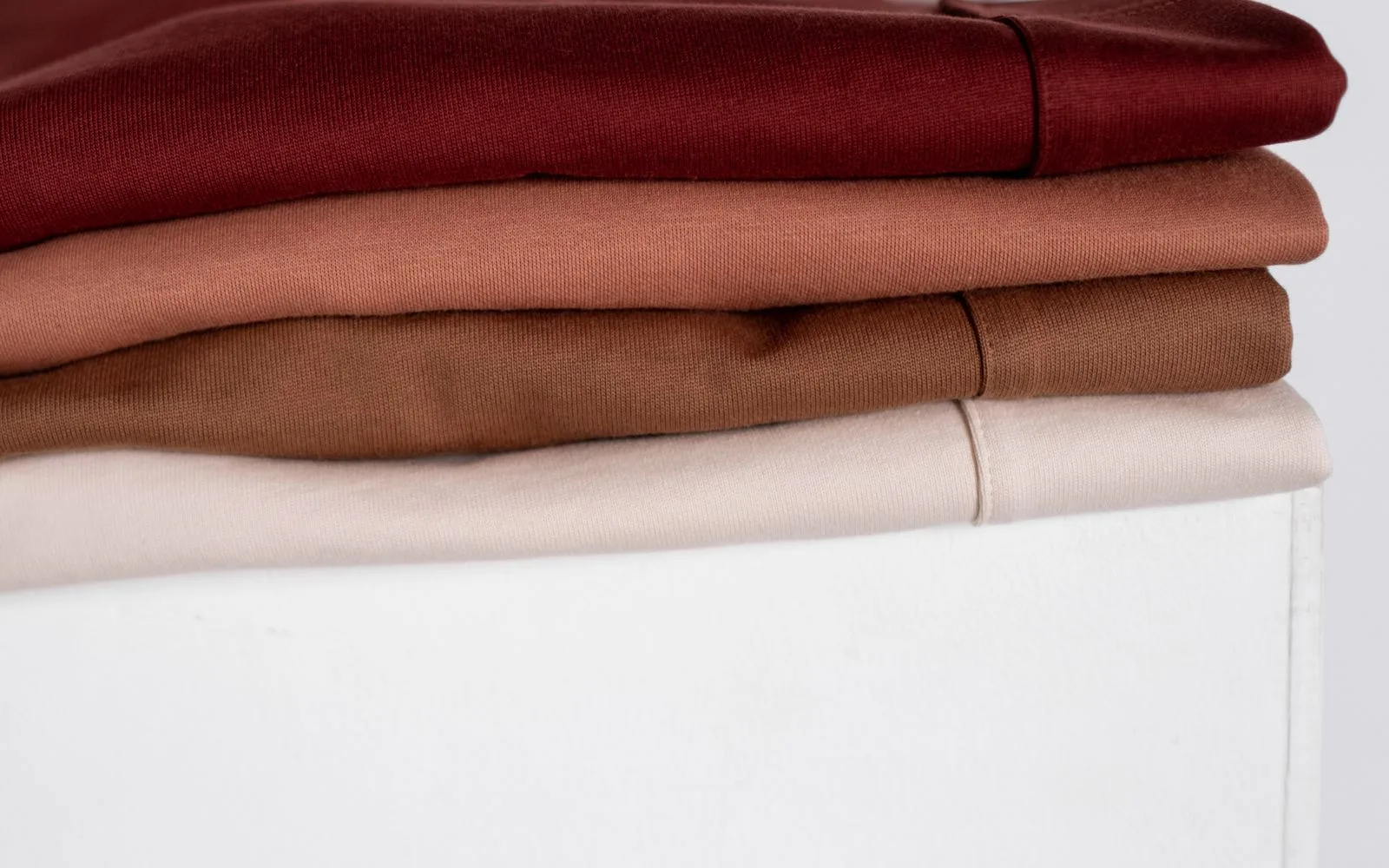
Fabric structure, weight and fit can all influence how clothing feels in use. For a more technical explanation of that relationship, read Why Some Clothes Feel Hotter Than Others: Fabric, Fit and Construction Explained from MP Apparels & Garments.
Start with your real routine
Think about when and where you expect to wear the garment: relaxing at home, travelling, meeting friends, working, walking or exercising. Different situations call for different levels of ease, durability, warmth and moisture management.
A high price does not make one garment right for every purpose. Begin with the job the clothing needs to do, then compare the information available.
Read beyond marketing language
Words such as “premium”, “soft” and “high quality” are not detailed specifications. Look for fibre composition, fabric construction, weight where relevant, and clear care guidance.
Cotton, polyester and blends can each be useful, but fibre name alone does not determine comfort. Research on textile comfort considers factors such as fabric structure, porosity, thickness, air permeability and moisture movement. Compare meaningful information rather than relying only on adjectives.
Choose fit, not just a size label
A medium in one cut or brand may differ from a medium elsewhere. Use the size guide and compare the garment measurements with clothing you already own and enjoy wearing.
Distinguish between slim, regular, relaxed and oversized cuts. The most suitable choice depends on your movement, layering plans and preferred silhouette—not an age stereotype or a trend you do not enjoy.
Look closely at construction
When clear photographs are available, inspect collars, cuffs, hems, shoulder seams, plackets and visible stitching. On sweatshirts and similar layers, look at the ribbing and how the garment holds its intended shape.
These details do not prove durability by themselves, but they provide more useful information than a prominent logo or an unsupported quality claim. If important details are missing, ask the seller rather than guessing.
Do not treat thickness as a quality score
A heavier sweatshirt can be useful in cooler weather, while a lighter garment may work better in warmer conditions or as part of a layered outfit. GSM means grams per square metre and describes fabric mass, not the total quality of a finished garment.
A higher GSM figure does not automatically guarantee better comfort or longer wear. Yarn, knit or weave, finishing, stitching, fit and intended use all contribute to the result.
Check whether the care suits your life
Read the care label before buying when that information is available. Consider whether the garment can be washed, dried and stored in a way that fits your routine.
Practical upkeep matters. Clothing that looks attractive but requires care you cannot realistically provide may deliver less everyday value than a simpler option you can maintain correctly.
Compare price with long-term value
A lower initial price is not always better if an item quickly loses its usefulness, and a higher price is not automatically justified. Consider expected frequency of wear, comfort, construction, versatility and the quality of the information supplied.
When shopping online, look for genuine photographs, measurements, material details, total cost and confirmed delivery or return terms. Do not assume a policy that the seller has not clearly published.
A practical checklist before buying
Confirm the intended use, fibre composition, cut, measurements, visible finishing, care instructions and complete cost. Check whether the seller answers reasonable questions and provides policies that match the purchase you are considering.
MPGEAR does not currently have orderable inventory. This guide is part of its pre-launch journal, designed to help readers make more considered clothing decisions without implying that products are available now.
Better shopping begins with better questions
Comfortable everyday clothing is not about buying whatever everyone else wears. It is about matching garment qualities to your routine, climate, preferences and capacity to care for the item.
No photograph or specification answers everything, but a careful comparison can replace vague assumptions with useful questions—and make the final choice more personal and practical.